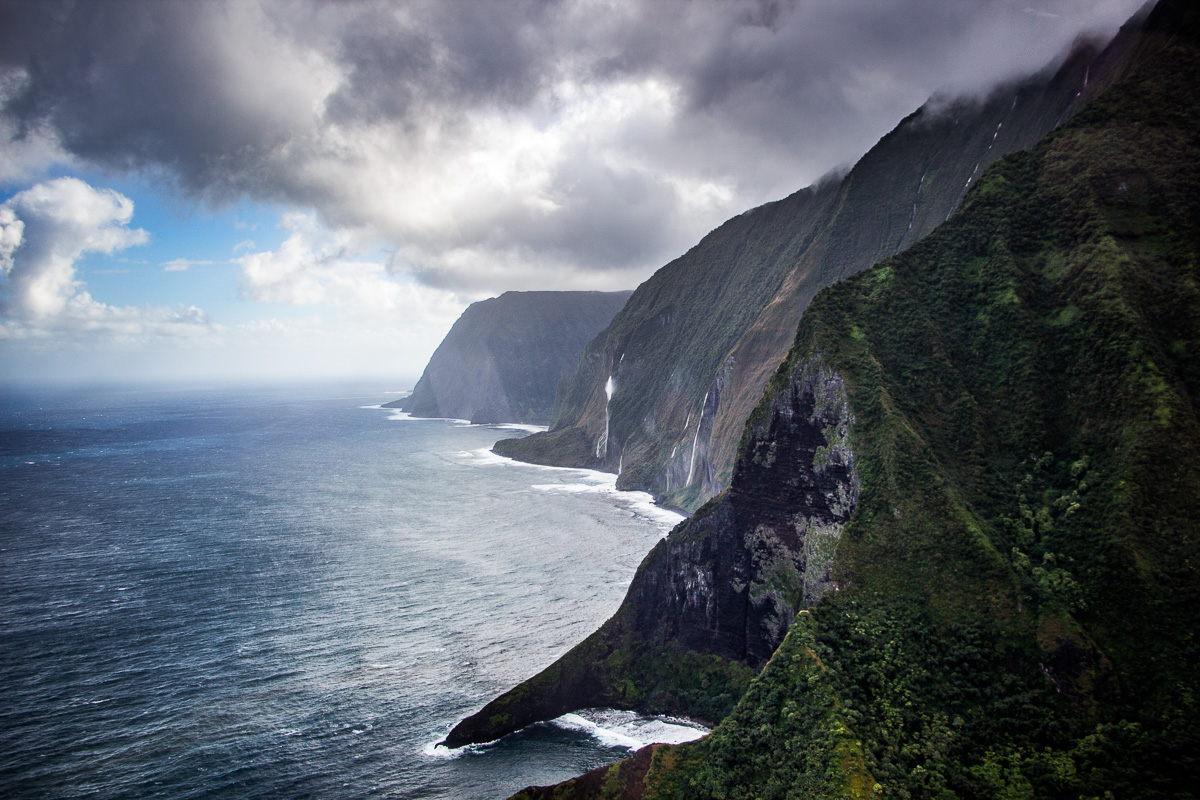
Just a few miles off the coast of South Maui, a crescent-shaped volcanic crater rises out of the ocean. Molokini’s sheltered inner bay, clear water and healthy reef make it one of the best-known snorkel spots in Hawaiʻi, and for many visitors it is the highlight of their trip.
What makes Molokini special
Molokini is the tip of an ancient volcanic cone, mostly sunken, with only the rim above water. The curved crater wall blocks much of the open-ocean swell, so the inside is often calm. Because there is no river runoff nearby, visibility is frequently excellent, sometimes over 100 feet on a good day.
The crater is a Marine Life Conservation District, which means fishing and collecting are prohibited. That protection is why you’ll see so many reef fish: butterflyfish, tangs, triggerfish (including the state fish, the humuhumunukunukuāpuaʻa), and if you are lucky, a turtle or a reef shark resting along the bottom.
When to go
Go in the morning. Trade winds typically pick up by late morning, and the channel gets choppier. Most Molokini trips leave early and are back by early afternoon for exactly this reason.
Conditions change day to day, and captains decide each morning whether the crater is safe to visit. If it isn’t, most boats go to a backup reef along the South Maui coast, which is often excellent as well.
Big boat or raft?
- Large catamarans leave from Maʻalaea Harbor. They are stable, have restrooms and shade, usually include breakfast and lunch, and often have a waterslide. They are a great fit for families, first-time snorkelers and anyone who gets seasick.
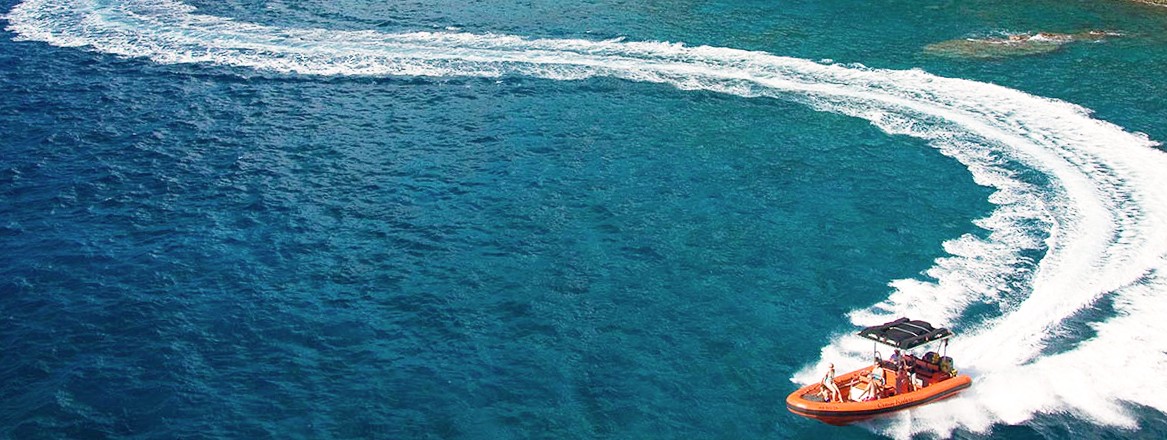
- Rafts and smaller boats often leave from South Maui. They carry fewer people, get to the crater faster and can sometimes add a second stop. The ride is bouncier and there is less shade.
- Snuba and scuba options let you go a little deeper than snorkeling, with no certification needed for snuba.
Compare current options on our Molokini tours page, or browse all snorkeling tours.
Many trips include a second stop
Many Molokini tours add a second snorkel spot afterward, often a reef along the coast known for green sea turtles. Some winter trips also double as whale watches, since humpbacks pass through the same waters from roughly December to April.
What to bring
- Reef-safe, mineral sunscreen. Maui County only allows mineral-based sunscreens (zinc oxide or titanium dioxide) to be sold and used. A rash guard is even better: less sunscreen in the water, less sunburn on your back.
- A towel and a dry layer. Even in summer, the boat ride back can feel cool when you are wet.
- Motion-sickness medicine, taken before you board, if you need it.
- Your own mask, if you have one that fits well. Boats provide gear, but a familiar mask is more comfortable.
Snorkel safety
Listen to the crew briefing, use the flotation they offer if you are not a strong swimmer, and stay with your group. Never stand on or touch the coral, and give turtles plenty of room. They are protected, and touching them is illegal.
Book your Molokini trip early in your stay. If the weather moves it, you’ll still have time to reschedule.