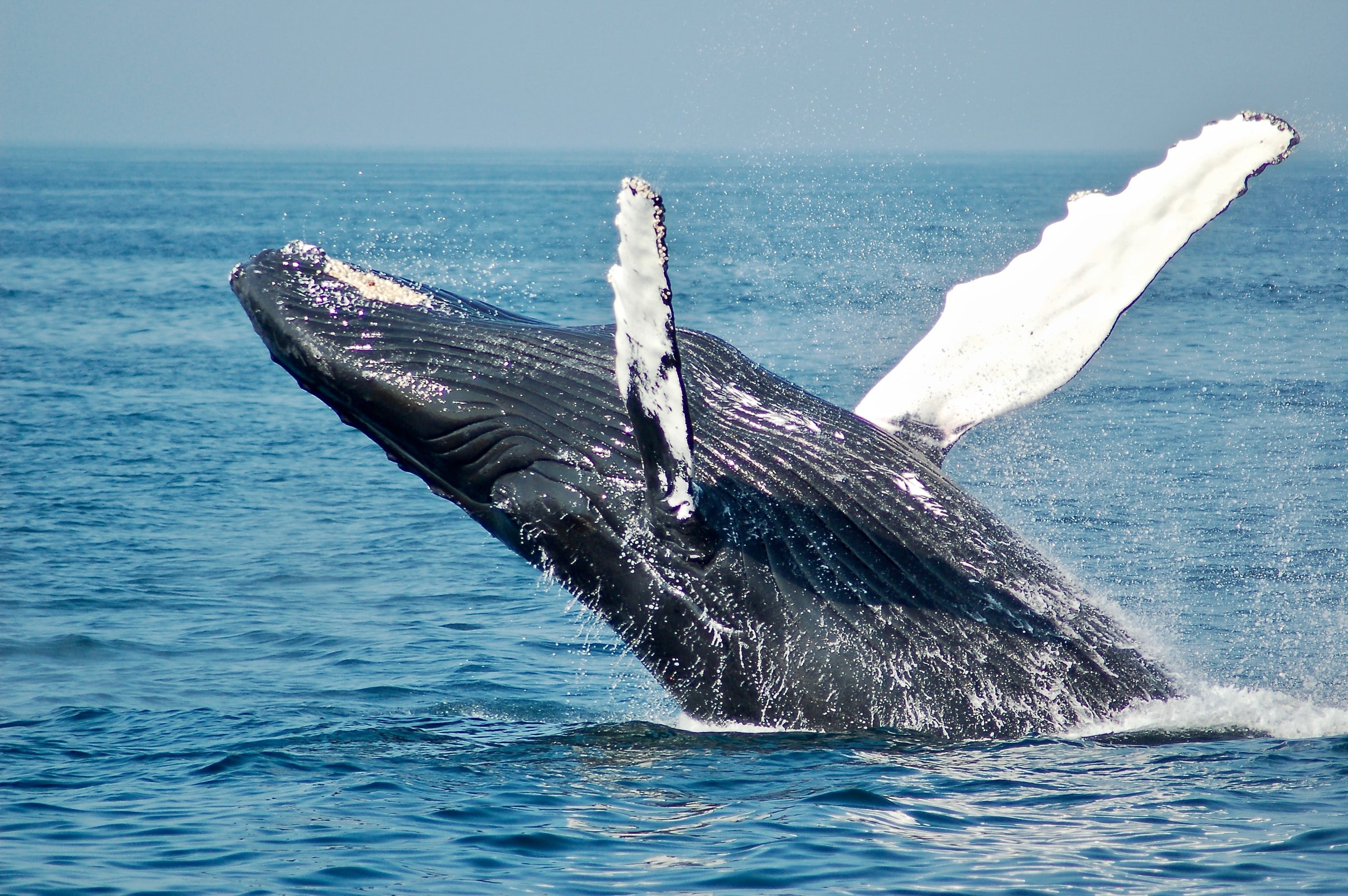
Every winter, thousands of humpback whales travel roughly 3,000 miles from Alaska to the warm, shallow waters around Maui to mate, give birth and raise their calves. The channel between Maui, Lānaʻi, Molokaʻi and Kahoʻolawe is one of the most important humpback habitats in the world, and it is right off our shores.
If you are visiting in winter, seeing them should be near the top of your list.
When is whale season on Maui?
The first whales usually show up around November, and the last ones leave by around May. The peak, when you are most likely to see lots of activity, is January through March. February is often the busiest month of all.
In peak season, it is not unusual to see whales spouting and breaching from almost any west- or south-facing beach.
Watching from shore
You don’t need a boat to see whales on Maui, though binoculars help. A few good spots:
- The pali along Honoapiʻilani Highway between Maʻalaea and Lahaina has scenic pullouts that look straight out over the channel. Pull off safely, and never stop in the road.
- South Maui beaches in Kihei, Wailea and Makena have wide views toward Molokini and Kahoʻolawe.
- West Maui shorelines around Kāʻanapali and Kapalua look across to Lānaʻi and Molokaʻi.
Early mornings, when the water is calm and glassy, are the easiest time to spot spouts.
Why a boat tour is worth it
From shore, you see spouts and the occasional breach in the distance. From a boat, you might hear a whale exhale, watch a mother and calf surface together, or see a male slap the water with its tail. Many boats carry hydrophones so you can listen to the males singing underwater, which is unforgettable.
Federal rules require boats to stay at least 100 yards from humpback whales, but the whales don’t know the rules. Curious whales sometimes approach boats on their own, and those close encounters are what people talk about for years.
How to choose a whale watching tour
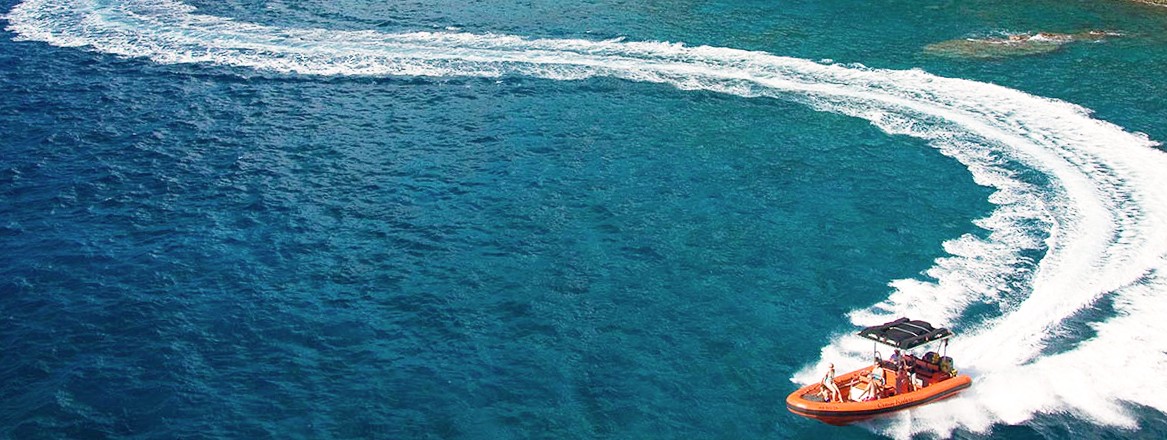
- Big boat or small raft? Larger boats are steadier and have restrooms and snacks, which is great for families and anyone prone to seasickness. Rafts are faster and lower to the water, so they feel more up close, but the ride is bumpier.
- Morning or afternoon? Mornings are usually calmer. Afternoon trades can make the water choppier but rarely affect sightings.
- Combine it. In winter, many Molokini snorkel trips include whale watching on the way out and back.
You can compare options on our whale watching tours page.
Respect the whales
Humpbacks in Hawaiʻi are protected within the Hawaiian Islands Humpback Whale National Marine Sanctuary. If you are kayaking, paddleboarding or swimming, the 100-yard rule applies to you too. Give them space, and enjoy the show from a distance.
If you are planning a winter trip, book your whale watch early in your stay. If the first trip is quiet, you’ll have time to go again.